
Halloween
& Islamic TeachingsThe History Behind Halloween
The word Halloween literally means “hallowed evening,” and was previously known to early European celebrators as All Hallows’ Eve.
In Christian tradition ‘All Hallows’ Eve’ (October 31) and ‘All Saints’ Day’ (November 1) both paid homage to all the saints of the church (“hallows” = saints). The name was eventually shortened to “Halloween,”.
Why is Halloween Celebrated on October 31st?
Halloween falls on October 31st because the ancient Gaelic festival of Samhain, considered the earliest known root of Halloween, occurred on this day. It marked a pivotal time of year when seasons changed, but observers also believed the boundary between this world and the next became especially thin at this time, enabling them to connect with the dead.
The History of Halloween Activities
The early pagan holiday of Samhain involved a lot of ritualistic ceremonies to connect to spirits, as the Celts (Scottish people) were polytheistic (those who believe in more than one God). “To Witches and Pagans, Samhain is the Festival of the Dead, and for many, it is the most important Sabbat (Holiday) of the year.” While there isn’t a lot of detail known about these celebrations, many believe the Celts celebrated in costume as a disguise against ghosts, enjoyed special feasts, and made lanterns by hollowing out gourds (pumpkins). Over time, as Christianity took over the pagan undertones of the holiday were lessened, the basic traditions of the holiday remained a part of modern culture.
Many people were said to dress up as saints and recite songs or verses from door to door. Children would also go from door to door asking for “soul cakes,” a treat similar to biscuits. Soul cakes originated as part of the All Souls’ Day holiday on November 2nd, but eventually became a part of Halloween night as the concept evolved into trick-or-treating. The candy-grabbing concept also became mainstream in the U.S. in the early to mid-1900s, during which families would provide treats to children in the hope that they would be immune to any holiday pranks.


How Halloween is Celebrated Today?
It’s estimated that by the early 20th century, Halloween was celebrated across North America by the majority of (candy-loving, costume-wearing) people. Halloween obviously remains a popular holiday in the Western world today, becoming gorier and more of a social event. Costumes today have no limits with many choosing to dress in outfits symbolising violence, death, and bloodshed.
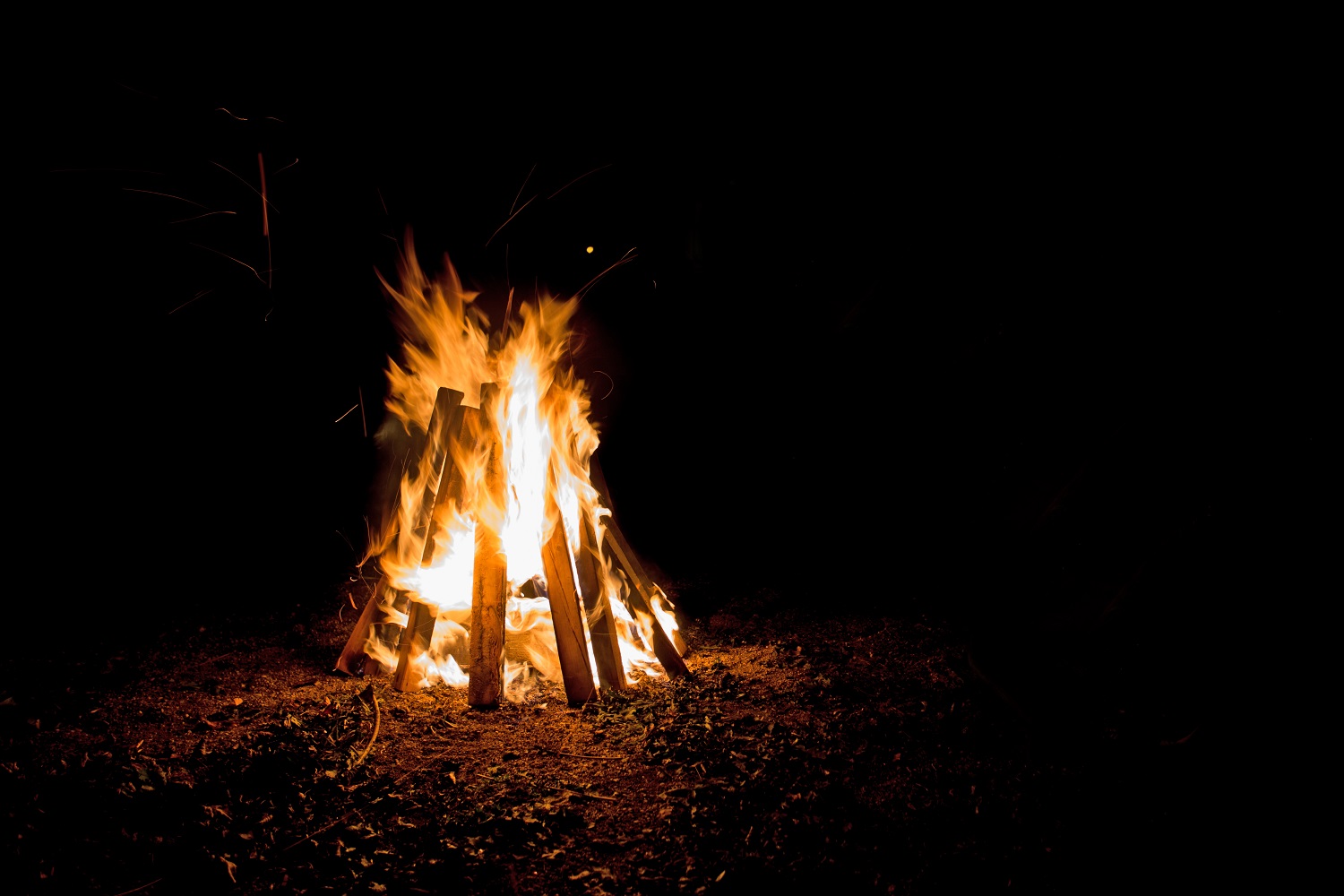
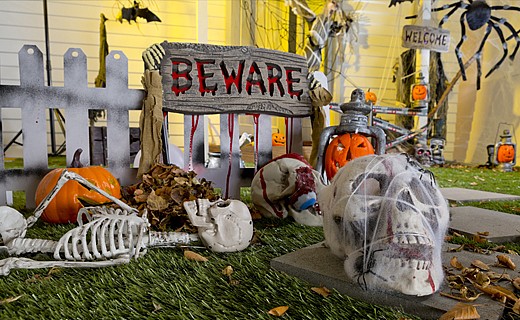
In today’s society, Halloween celebrations have become quite extravagant and big business for many. Festivities start early with many opting to decorate their houses, schools and even some work places. Whilst parents choose to take their children out for trick or treating, some adults enjoy Halloween parties, bonfires or attending horror night events at theme parks.
Islam & Halloween
Many Abrahamic Prophets (Jews, Christians and Muslims) warned to keep away from practices relating to divinations, sorcery, and the occult, and many devout believers follow the teachings of their scriptures. But the book revealed through the Holy Prophet Muhammad(saw) – the Holy Qur’an, takes this subject a step further by defining the wisdom and logic in not partaking in any such harmful innovations, by introducing and explaining the concept of shirk (associating partners with God).Regarding this the Holy Qur’an clearly states:
“Surely, Allah will not forgive that any partner be associated with Him; but He will forgive whatever is short of that to whomsoever He pleases. And whoso associates partners with Allah has indeed devised a very great sin.” (Ch.4:V.49)
Yes, it may seem that modern day rituals are harmless so, it is argued that dressing up in costumes and going door to door for trick or treating is not harmful in any way. But the reality is as Huzoor (aba) mentioned in his Friday Sermon on Oct 29th, 2010 that “It is against the dignity of an Ahmadi child to dress up in a strange manner and go door to door like beggars, even if it is for chocolates”.
One must remember that Halloween doesn’t just stop at dressing up for a little while. People, especially older children deliberately go out of their way to scare people, cause trouble, noise and sometimes cause terror for a night of ‘fun’. For a religion that preaches peace, it would be wrong to participate in such activities. Huzoor (aba) also said that “the practice of Halloween is a hidden evil”. Sometimes it could be difficult to explain this to our peers when asked why we do not celebrate Halloween. But it is important to remember why we do not celebrate it and to explain this to our peers in a loving manner. As beloved Huzoor (aba) said “Ahmadis should have a dignity which should be inculcated from childhood.”
Modern day research also shows the consequences of being exposed to such gruesome and gory activities. Everybody has some sort of fears and it is only natural that children are more prone to being scared easily. Psychologist Dr. Lawrence Ross says, “As Halloween draws near many parents wonder whether allowing their children to watch horror movies can be harmful for them. It is true that many children and adolescents are drawn to horror movies[.] It is equally true that many of these same children experience negative effects of trouble falling asleep, nightmares, fear of the dark, anxiety, increased feelings of vulnerability and increased concerns about possible (and sometimes unlikely) dangers that can befall them[.] These negative effects sometimes last days or weeks but sometimes they can last much longer.”
By Hania Hameed
References:
https://www.countryliving.com/entertaining/a40250/heres-why-we-really-celebrate-halloween/
https://www.reviewofreligions.org/5071/halloween-harmless-or-harmful-fun/
https://www.reviewofreligions.org/12211/halloween-fear-or-fun/
http://tidewaterparent.com/2013/10/22/can-watching-horror-films-harmful-children/